
Professional Nail Tool Washable Half Moon Nail File 180 240 Grit Thin Wood Nail File
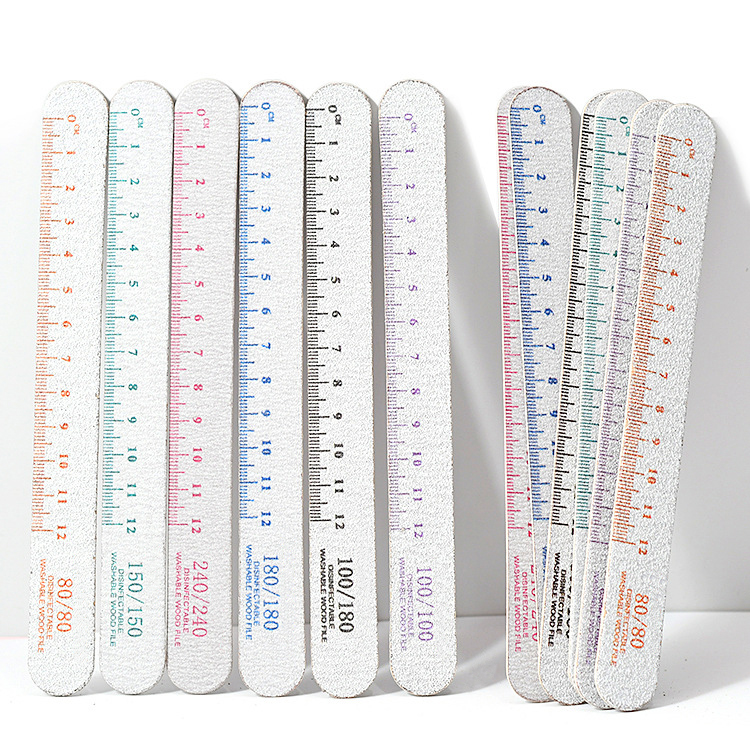
Ultra Thin Wooden Nail File Long Strip Zebra Nail Polishing File Wholesale
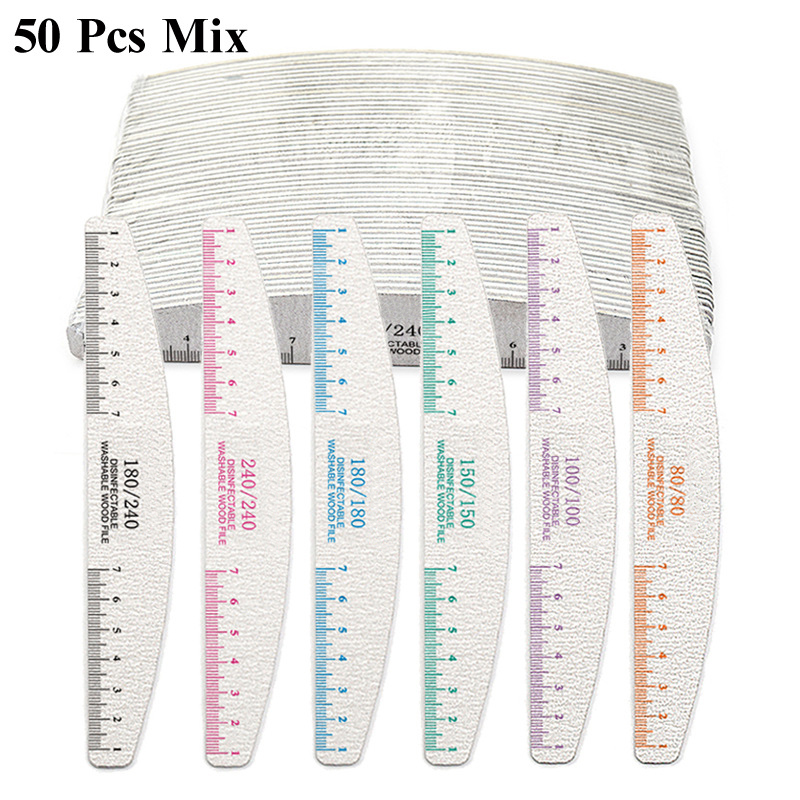
Custom Logo Washable Half Moon Nail File 100 150 180 Grit Thin Wood Nail File
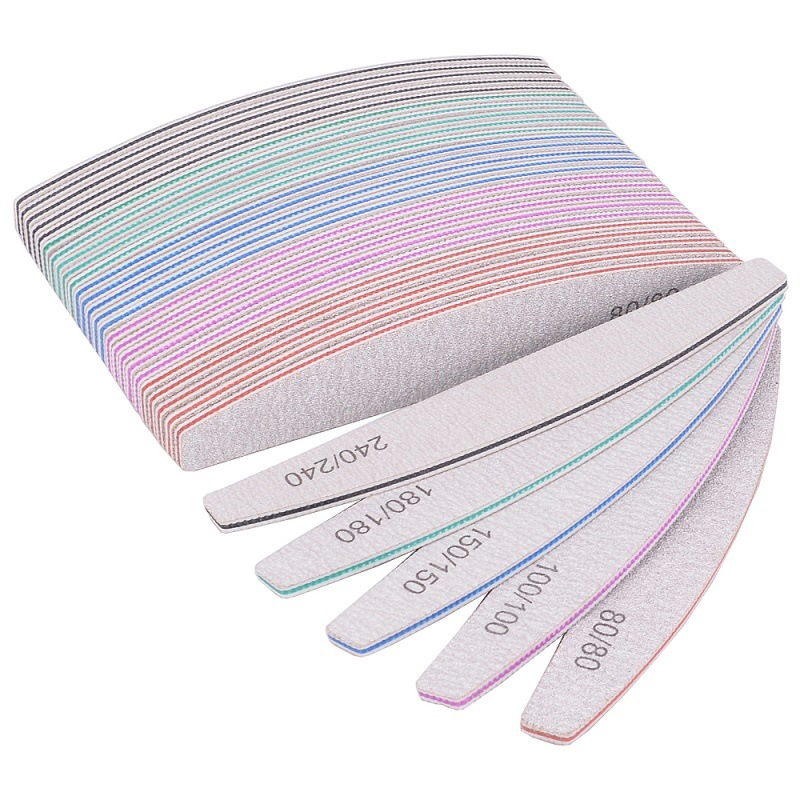
professional nail tool 80 100 180 grit nail sanding file zebra nail file custom logo
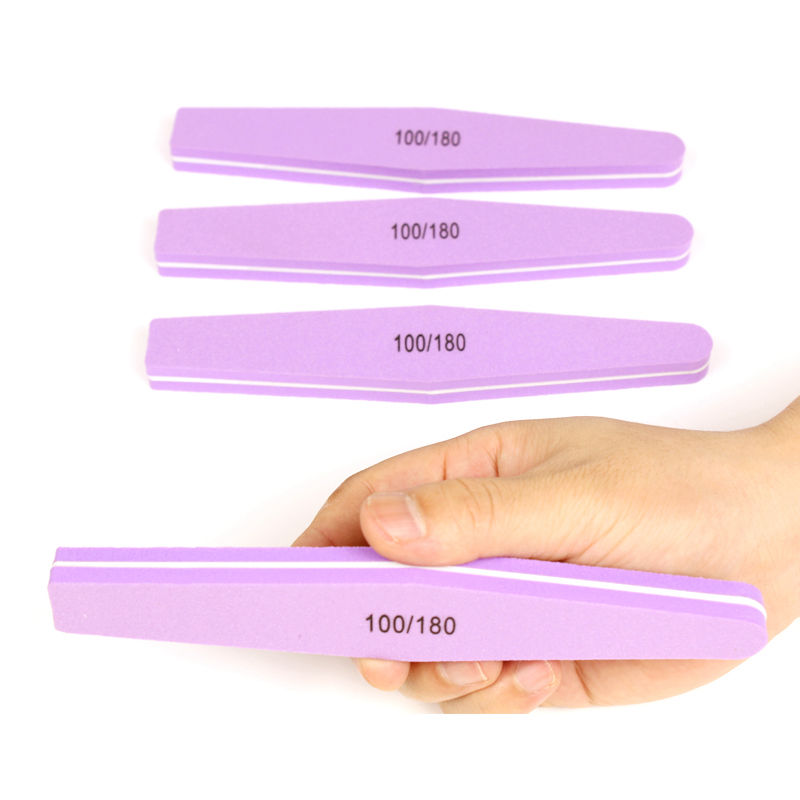
sponge nail buffer
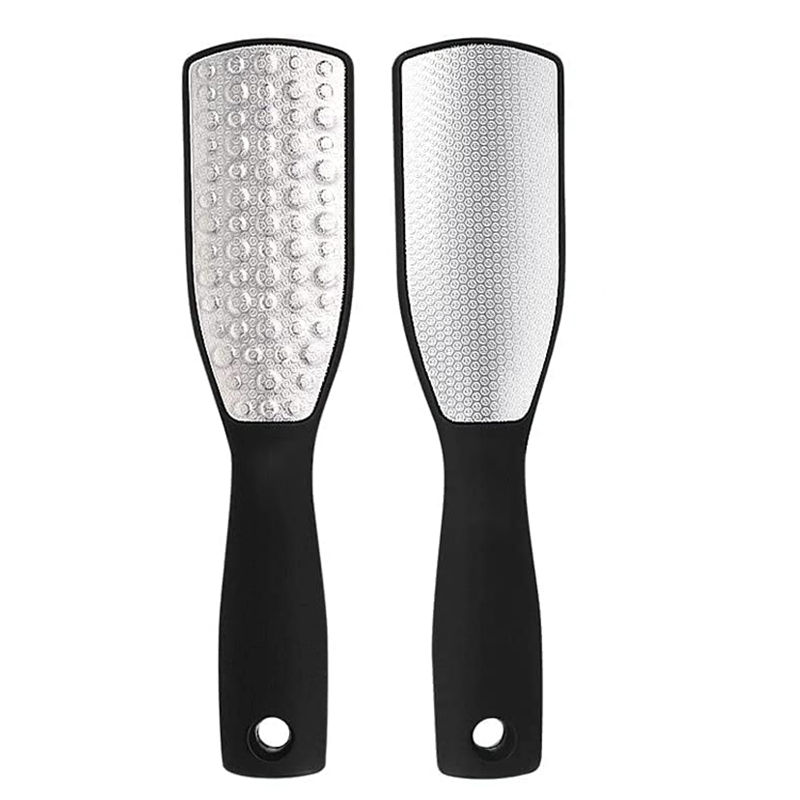
Metal foot file
Registrierung und Login für Honey betz bei den diversen Spielen
NOV.17,2026Games available for casinoactions.org with various betting options
NOV.17,2026Account login and luxury casino no deposit bonus for mobile users
NOV.17,2026Termos do bónus e big bass bonanza demo para novos jogadores de slots
NOV.13,2026Registrierung und Spielspaß mit Chicken Road für schnelle Auszahlungen im Casino
NOV.12,2026Услуги эскорта в Алматы
NOV.12,2026Deposit options and Aviator Game play for convenient online casino access
NOV.12,2026Массаж с эротическим уклоном
NOV.12,2026Prime escot Dubai
NOV.12,2026Dubai Escort Guide
NOV.12,2026
New slots spark big hopes because they arrive with fresh game releases, glossy math sheets, and marketing that talks loudly about payout rates, RTP, volatility, slot myths, betting strategy, and fair play all at once. The core claim sounds simple: if a slot is new, maybe it pays better. The reality is messier, and Six Game players who want sharp decisions need to separate launch hype from actual return data. A new title can feel generous in the first sessions, especially when bonus features land fast, but that feeling does not automatically mean the game is programmed to pay more. The smartest approach is to treat every release as a numbers problem first and a mood problem second.
The best argument in favor starts with how modern slot releases are marketed. Studios often launch with attention-grabbing mechanics, higher hit-frequency patterns, and feature-heavy bonus rounds that create the impression of stronger returns. That impression is not random. A new game may be designed to keep players engaged with frequent small wins, and those wins can make the session look hotter than an older slot with a flatter rhythm. In practical terms, a player at Six Game can see a new title deliver bonus triggers, stacked symbols, or multiplier bursts early, which feeds the idea that the machine is “looser.”
RTP can also support this view, at least on paper. A new slot may launch with a published RTP of 96.20%, 96.50%, or even 97.00%, and that number can compare favorably with older catalog favorites that sit around 94% to 95%. When a fresh release comes in above the house average, players naturally connect “new” with “better payback.” That is not irrational. If two games are otherwise similar, the one with the stronger RTP should return more over time, and a newly released title can absolutely be one of those stronger games.
Stat spotlight: A 96.5% RTP means the game is built to return $96.50 for every $100 wagered over a very large sample, not over a single evening.
Volatility strengthens the pro-new-slot case too. Many new releases are engineered with flexible bonus structures that can generate bursts of value. A high-volatility new slot may not pay often, but when it does, the swing can be dramatic enough to look like a payout advantage. For players chasing big peaks rather than steady drips, that matters. Six Game users who prefer feature-rich titles often notice that new launches seem to deliver more memorable sessions, and memory can strongly shape myth-making around slot performance.
There is also a timing angle. Some players believe studios “test” player response during launch windows and keep early sessions generous to build buzz. That theory is hard to prove, but the excitement around first-week play is real. A fresh release can attract more casual traffic, more bonus hunters, and more discussion across communities, which makes strong early outcomes more visible than they would be on an old game nobody talks about anymore. The result is a powerful feedback loop: a few good sessions become the story of the slot.
For readers who want to inspect a studio’s release style, the design language at new slot releases by Hacksaw Gaming gives a useful clue about how modern titles are built to capture attention. The page itself does not prove better payout, but it does show how aggressively the newest designs compete for player focus.
The strongest case against the myth is simple: slot RTP is set by the game math, not by the age of the release. A new slot does not become richer just because it was released yesterday. If a title carries a 94.00% RTP, it remains a 94.00% RTP game whether it launched last week or five years ago. The same logic applies to volatility. High-volatility games can produce huge wins, but they can also go long stretches without meaningful returns. That can make a fresh slot feel “hot” in one session and brutally cold in the next.
Short-term variance is the real trickster. On a small sample, almost any slot can look generous or stingy. A player might spin 200 times, catch a bonus twice, and assume the game is paying well. Another player might hit the same title and see nothing but dead stretches. Neither sample says much about the long-run truth. That is why betting strategy matters more than chasing the newest banner on the lobby. Set a stop-loss at 20 percent before you spin, define a session win cap, and keep stake size aligned with bankroll rather than excitement.
One practical rule helps cut through the noise:
That discipline matters because new releases are often built to feel lively, not necessarily to pay more. Fast animations, frequent mini-features, and layered sound design can make a game seem active even when the math is average. Six Game players who mistake motion for value can spend more chasing a “good” new slot than they would on a proven title with stronger long-term return.
The evidence also gets weaker when you compare across providers. Some studios release new games with strong RTP, while others launch at lower return levels and rely on feature excitement to carry the experience. A title from Push Gaming may arrive with a sharp bonus engine and a competitive paytable, but that still does not mean every fresh Push Gaming release is more generous than every older one in the lobby. The only reliable way to judge is to read the numbers, not the release date.
For a studio reference point, the release philosophy at new slot releases by Push Gaming shows how much emphasis modern developers place on mechanics, theme, and engagement. That emphasis can improve entertainment value, yet it still does not guarantee a higher payout rate.
The best response is a simple decision filter that turns myth into action. Start with RTP, then check volatility, then match the game to your bankroll, then test the session with controlled stakes. If the game is new and the numbers are strong, great. If the numbers are average, the release date should not rescue it. Six Game players who follow that process avoid the common trap of assuming “new” means “better.”
Use this quick checklist before committing real money:
That approach works because it keeps the focus on measurable signals. A new slot with 97.00% RTP and medium volatility may suit a cautious player better than an older 94.00% game with wild swings. On the other hand, a high-volatility launch can be brilliant for a player who accepts dry spells and wants a shot at large feature wins. The age of the title is secondary; the math and the session plan are what decide whether it fits.
There is one more angle worth watching: game releases tend to arrive in clusters, and clusters can distort perception. When several new titles land at once, the one that pops early often gets the loudest praise, while the weaker ones fade quietly. That creates a selective memory effect. Players remember the new slot that paid, forget the three that did nothing, and carry the feeling forward as if it were evidence. It is not evidence. It is a highlight reel.
When the session ends and the adrenaline drops, the long-run picture is clearer. New slots do not automatically pay out more. Some launch with excellent RTP and elegant volatility tuning, which can make them strong choices. Others rely on presentation and leave value on the table. The difference is not age; it is design. A new release can be a smart play, a neutral play, or a poor play depending on the published math and your bankroll discipline.
Bottom line: Newness is not a payout boost. RTP, volatility, and stake control are the real drivers of results.
My view is straightforward: new slots deserve attention, but not blind trust. Six Game players should treat every fresh release as a candidate, not a promise. If the RTP is competitive, the volatility matches your style, and your stop-loss is fixed before the first spin, a new slot can be a strong addition to your rotation. If those numbers are weak, the launch date changes nothing. The excitement is real. The payout advantage is not automatic.


Guangzhou Fantastic Beauty Nail Co., Ltd .© 2020 ALL RIGHTS RESERVED Shipping PolicyReturn PolicyPrivacy Policy